
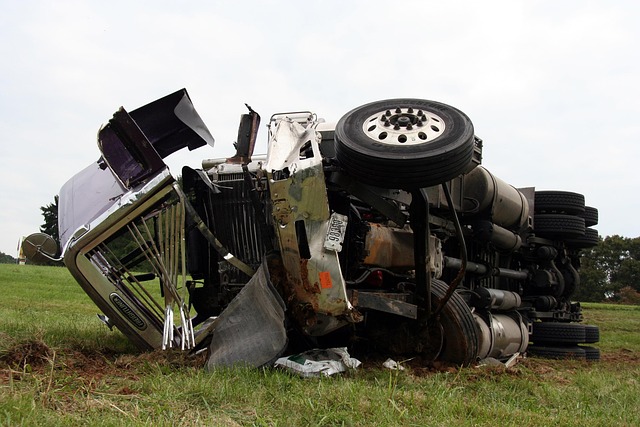
Florida’s extensive highway network serves as a vital corridor for commercial transportation, with thousands of trucks moving goods across the state every day. While this constant flow of freight supports businesses and local communities, it also increases the likelihood of serious collisions involving large commercial vehicles. Because of their size and weight, truck crashes often result in devastating injuries and complex legal questions that go far beyond those found in a typical motor vehicle accident. Victims are frequently left facing not only significant medical and financial challenges but also uncertainty about who should be held responsible for the harm they have suffered.
Determining liability requires a careful examination of the many individuals and companies that may have contributed to the collision. Understanding the issues involved in filing a claim after a commercial truck collision can help injured individuals make informed decisions while protecting their legal rights. With experienced legal guidance, victims can pursue accountability from every responsible party and seek the compensation they deserve.
The Driver
Truck drivers may be liable when careless choices lead to an impact. Speeding, distraction, fatigue, unsafe lane changes, and impaired driving can show negligence. Logs, camera footage, phone records, and citations may help connect conduct to injury. After a wreck, victims often need records before they disappear. Evidence can support claims filed against a driver, carrier, or another responsible party. Early review may reveal broken safety rules, hidden fatigue, poor inspection habits, or careless dispatch pressure.
The Trucking Company
A motor carrier may share fault for its driver’s conduct. Companies must hire qualified operators, train staff, inspect vehicles, and enforce safety rules. They may be liable for negligent hiring, poor supervision, or pressure that encourages unsafe schedules.
Cargo Loaders
Improper loading can turn a large vehicle into a danger. Cargo that shifts, spills, or exceeds limits may cause jackknife events, rollovers, or lost control. Load sheets, dock records, photos, and weight tickets can show whether cargo crews followed safe procedures.
Maintenance Providers
A repair shop or maintenance contractor may be responsible if poor service causes a failure. Brake defects, worn tires, steering issues, lighting problems, and ignored inspection findings can matter. Work orders, invoices, inspection reports, and part histories may show whether a provider missed a hazard.
Truck Owners
Some companies operate trucks that they do not own. A separate owner may lease the vehicle to a carrier or driver. Owners can face liability if they allow unsafe equipment onto the road, skip required maintenance, or ignore known mechanical problems.
Manufacturers
A truck, trailer, tire, brake, or coupling system may contain a dangerous defect. Product claims focus on design flaws, manufacturing errors, or missing warnings. Engineers may inspect broken parts, service bulletins, recalls, and crash data to decide whether a defect contributed.
Brokers and Shippers
Freight brokers and shippers may affect safety through carrier selection and shipment demands. A broker that hires an unsafe carrier may face claims in some cases. A shipper may share fault if pickup schedules, loading practices, or cargo instructions created an unreasonable risk.
Government Contractors
Road design, construction zones, missing signs, broken signals, and poor pavement can contribute to severe crashes. Claims involving public agencies often have strict notice rules. Contractors may also be responsible when work zones lack proper warnings or traffic control.
Other Drivers
Another motorist may trigger a truck crash by cutting off a rig, stopping suddenly, drifting across lanes, or driving while distracted. Passenger vehicle conduct can change the fault picture. Police reports, witness statements, and video may help assign fair responsibility.
Shared Fault
Florida uses comparative fault rules, so several parties may carry percentages of blame. A driver, carrier, loader, and repair vendor could each share responsibility. Careful investigation matters because each percentage may affect available compensation and insurance recovery.
Evidence That Matters
Strong liability cases often depend on documents and digital records. Useful proof may include electronic logs, black box data, dispatch messages, inspection reports, maintenance files, bills of lading, photos, medical records, and witness accounts. Fast preservation requests can prevent key information from being lost.
Insurance Issues
Commercial truck cases often involve several insurance policies. Coverage may come from the carrier, the owner, the trailer company, the broker, or another business. Insurers may dispute who controlled the truck, whether the driver worked within the scope of the job, or which policy applies.
Conclusion
Liability after a commercial truck crash can extend to many people and businesses, depending on control, duty, and proof. The driver may be only one part of a larger chain. Carriers, loaders, repair shops, owners, manufacturers, brokers, shippers, public entities, and other motorists may all require review. A focused investigation helps identify responsible parties, preserve evidence, and connect preventable conduct to the losses a family now faces.