The opportunity nobody talks about
Every October, Careers in Construction Month makes the case to young people that the trades are a good place to build a career. That case is true, and it still undersells the industry. The part that gets left out is this: construction is one of the few places where an 18 year old with no money and no degree can start earning on day one and end up owning the company.
I know because that is how it went for me. Nobody handed me a business. I picked up a paintbrush as a teenager, and that brush turned into a national company with crews working on thousands of projects a year. The path is not a secret. It is just rarely pointed out to the kids who need to hear it most.
I went to college and came right back
I started painting while I was in vocational school. It was a job, not a plan. But it taught me things a classroom never did: how to show up, how to finish, how to deal with a customer who is standing in their own kitchen watching you work.
I did go to college later. I was the first in my family to earn a degree, and I am glad I did it. But when it was time to decide what to do with my life, I went back to the trade I already knew. Not because I had no other options. Because I had seen something in the industry that most people with degrees never get close enough to see.
What I saw was a gap. Blue-collar work was full of talented people, and it was short on professionalism. Calls went unreturned. Jobs ran late. Customers were treated like an inconvenience. In 1997 I founded Arch Painting with one idea: bring white-collar service to a blue-collar world. Answer the phone. Show up when you said you would. Clean up. Do what you promised. That idea grew a local painting contractor into a company working across the country.
I could not have found that gap from a lecture hall. I found it on a ladder.
What the trades give you that a degree can’t
I am not against college. I am against the idea that it is the only door into running a business. For a lot of young people, it is the more expensive door and the slower one. Here is what starting in construction gives you instead.
You get paid to learn. A four-year degree means four years of paying tuition and four years of not earning. A trade apprenticeship flips that. You are earning on day one, learning a skill that has value anywhere in the country, and you come out the other side with no debt and a resume.
You get to look around before you commit. Construction is not one career, it is dozens. Painting, electrical, plumbing, carpentry, HVAC, project management, estimating. A kid who starts on a crew at 18 sees all of them up close and can move toward the one that fits, instead of guessing at 17 what to major in.
You see the problems worth solving. Every business I have ever started or invested in came from noticing something broken while I was doing the work. The customer who could not get a callback. The job that fell apart because nobody wrote the scope down. Those problems are invisible from the outside and obvious from the inside. The trades put you on the inside.
You learn to run things. Lead a crew of three and you are already managing people, materials, schedules and a customer. That is a business, just a small one. Most people with MBAs have never done it.
The jump from tradesperson to owner
Plenty of good tradespeople go out on their own. Fewer build a real company. The difference is not talent with the tools. It is a handful of habits that nobody teaches on a jobsite, and that I had to learn the hard way.
The first is to stop being the best painter on the crew. Early on, your skill with the tools is the business. If you want to grow, it becomes the ceiling. The owner’s job is to find and keep people who are better than you at the work, and then get out of their way.
The second is to write things down. Every job that went sideways for me went sideways because something lived in someone’s head instead of on paper. How we estimate. How we start a job. How we close one out. A system is just a decision you only have to make once.
The third is accountability. Not yelling, not micromanaging. Clear expectations, numbers people can see, and consequences that are fair and predictable. Good people want this. It is the ones who don’t that you need to worry about.
The fourth is to treat relationships as the asset they are. A customer who trusts you is worth more than any single job. So is a foreman who has been with you ten years. The trades run on trust, and trust compounds.
The real test: can your business run without you?
Here is the test I would put to any young person thinking about owning a trades business someday. If you took two weeks off, would the company keep running? If the answer is no, you do not own a business. You own a job with extra paperwork.
That is the whole point of building leaders and systems. Not so the owner can sit on a beach, though that is a nice option to have. It is because a company that runs without its owner is a company worth something. It can grow past one person’s hours in the day. It can be sold, passed to the next generation, or handed to the people who helped build it. It provides for employees, customers and families long after the founder stops swinging a brush.
A degree can teach you a lot. It cannot teach you that. You learn it by starting small, doing the work, and then deliberately working your way out of the middle of it.
Start with a trade. Don’t stop there.
So if you are 17 and everyone is telling you college is the only respectable path, here is another one. Pick a trade. Get good at it. Pay attention to what is broken around you. Then build the company that fixes it. No debt. No waiting four years to start. And a ceiling that is a lot higher than most people will tell you.

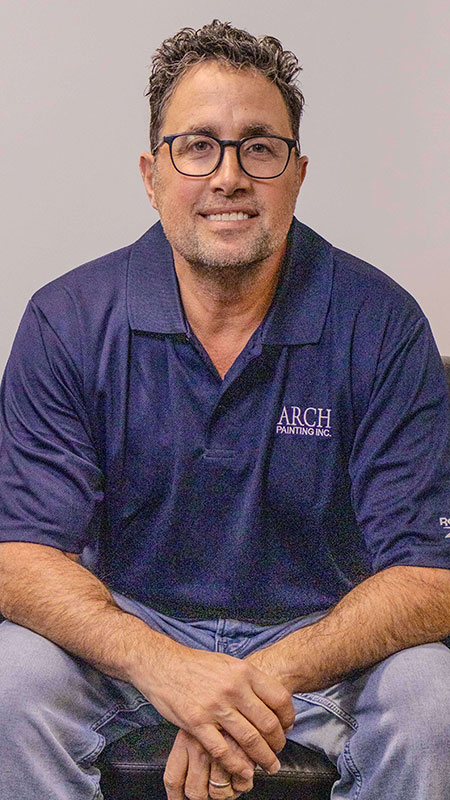
Joe Giacalone is the founder of Arch Painting, a national painting company that runs thousands of projects nationwide, and the author of Beyond the Owner: How to Build a Trades Business That Runs Without You (October 2026). He started in the trades as a teenager while attending vocational school, earned degrees from Suffolk University and Boston University, and founded Arch Painting in 1997 with a mission to deliver white-collar service and professionalism in a blue-collar world.