
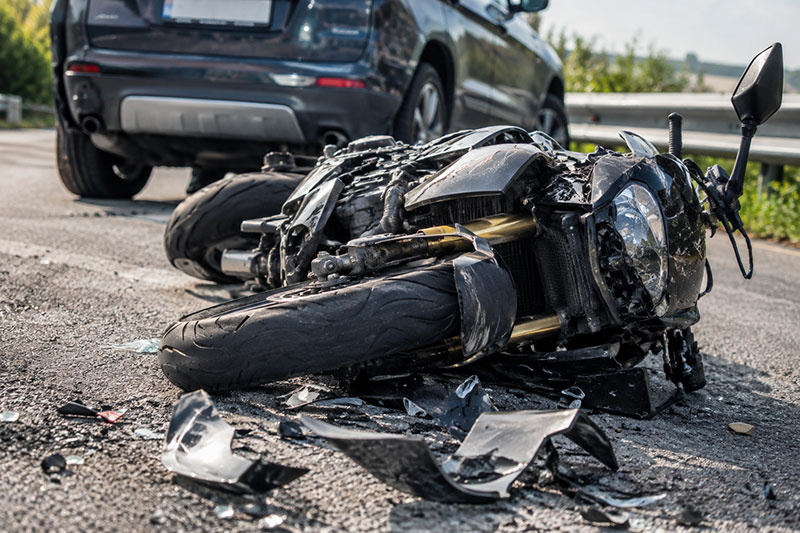
Motorcycle accidents often lead to serious injuries and complicated questions about who was at fault. In California, being partially responsible for a crash does not automatically bar you from compensation. The state follows a legal rule known as pure comparative fault for personal injury cases. Salamati Law Accident Lawyer represents riders facing complicated fault disputes after a crash. A higher percentage of fault against you often means a smaller settlement check. A partial fault does not always rule out a solid settlement.
Understanding Comparative Fault in California
Comparative fault allows injured riders to recover damages even when partly responsible themselves. Your final compensation is simply reduced by whatever percentage of fault you carry. When speeding causes a crash, state formulas calculate how much fault falls on the rider. Insurance adjusters representing the other driver often try to assign riders a higher percentage of blame. An experienced attorney can push back against unfair or exaggerated fault assessments. A ten percent drop in assigned fault often adds thousands of dollars to your final settlement check.
How Fault Percentages Affect Compensation
Insurance companies calculate payouts by subtracting your assigned fault from total damages owed. A rider found twenty percent at fault loses twenty percent of their award. Riders found mostly at fault can still collect a percentage of their damages under most state laws. Fault percentages are typically negotiated based on evidence gathered directly from the scene. Insurance adjusters lean heavily on the police report when they assign fault percentages after a crash. Disputing an unfair fault percentage often requires skilled legal negotiation and preparation.
Common Causes of Motorcycle Accidents
Speeding remains one of the leading causes of serious motorcycle accidents each year. Distracted drivers frequently fail to notice motorcycles merging or changing lanes safely. Left turn collisions occur when drivers misjudge a motorcycle’s approaching speed and distance. Lane splitting disputes sometimes complicate fault determinations in busy California traffic patterns. Potholes and other road hazards cause a fair share of serious motorcycle crashes every year. Weather related hazards further increase risks for riders navigating unfamiliar or unfamiliar roadways.
Evidence That Can Reduce Your Fault
Dashcam and traffic camera footage can clearly show what actually happened at the scene. Skid marks and vehicle damage patterns often reveal speed and impact angles involved. Witness testimony can confirm details that contradict an inaccurate or incomplete police report. Cell phone records may reveal whether another driver was texting while actually driving. Expert accident reconstruction can challenge assumptions made during initial fault assessments early on. Strong evidence gathered early often shifts fault away from the injured rider.
Steps to Protect Your Claim
Seek medical attention immediately, even if your injuries initially seem relatively minor overall. Document the accident scene thoroughly with photos before conditions naturally change or clear. Avoid admitting fault or apologizing to anyone at the scene of the crash. Collect contact information from any witnesses who saw the accident actually happen. Keep copies of all medical records and repair estimates related to the crash. Speak with an experienced attorney before accepting any settlement offer from an insurer.
Being partly at fault does not mean your case is over before it even starts. California law gives you room to recover even when the picture isn’t perfectly clean. What matters most is having someone in your corner who understands the process. Ask questions, gather your evidence, and don’t assume the worst too quickly. Every percentage point matters, and fighting for a fair one is worth the effort. From there, most riders know exactly how much their claim is worth.