
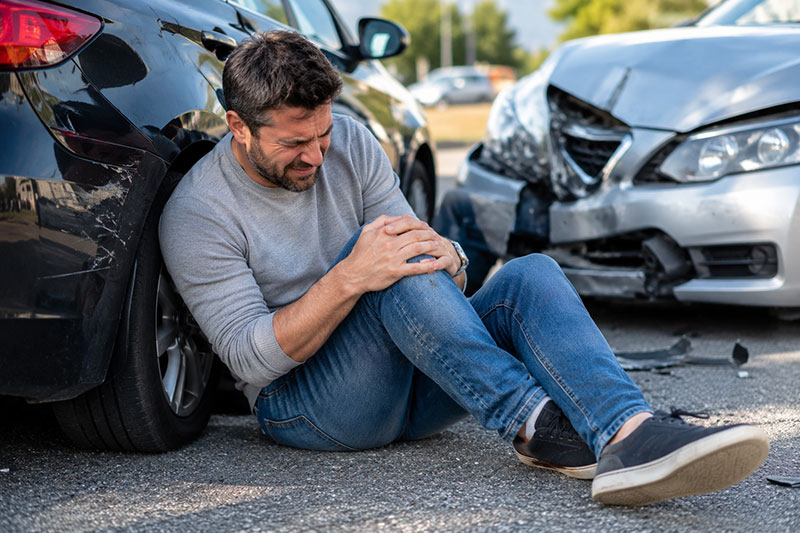
For people dealing with a collision in Miami Gardens, the period immediately after an accident can involve a confusing mix of medical concerns, insurance questions, and practical decisions. Important crash details can be hard to reconstruct later, especially when vehicles are repaired or memories begin to fade. Taking a careful approach from the start can help an injured person maintain a reliable account of the circumstances and avoid overlooking information that could matter later.
When preserving evidence becomes part of protecting a potential claim, a Miami Gardens car accident lawyer can help an injured person understand what information may deserve attention. Reviewing the circumstances of the collision, available records, and communications can help identify gaps and clarify how the evidence fits into the broader case. Legal guidance at this stage can also help someone handle insurance discussions and other decisions without losing sight of the information needed to support their position.
Document the scene before conditions change
A crash scene contains facts that can become harder to establish later. Photos should capture vehicle positions, road conditions, traffic signs, visible injuries, property damage, and nearby landmarks. Wider images provide context, while close images document specific damage.
Keep the date, time, and location of each photograph identifiable. Original files preserve creation details that help establish when you documented the scene.
A person seeking help after a collision should also keep witnesses’ names and contact details, when available. Keep a police report, exchange-of-information records, insurance documents, and towing paperwork together. If you have serious injuries, you can contact a car accident lawyer to discuss evidence and claim issues. Preserving these materials early helps keep later statements tied to contemporaneous records.
Preserve digital evidence
Phones and vehicles often contain useful records that do not exist on paper. Keep original photos, videos, dashcam recordings, navigation history, and relevant messages in their original form. Cropping, editing, or repeatedly resaving files can remove useful details.
Check cloud backups and device folders before files disappear. Avoid deleting messages with drivers, witnesses, insurers, or medical providers. Screenshots can preserve conversations, but keep the original thread available whenever possible.
Keep medical and financial records
Medical evidence should start with the first evaluation after the crash and continue through later treatment. Keep discharge papers, bills, prescriptions, therapy records, work restrictions, and appointment information. These records connect treatment to the collision and document financial effects of the injuries.
Lost income also requires documentation. Pay records, employer correspondence, schedules, and leave information can show missed work. Put receipts for towing, transportation, medical equipment, and other collision-related expenses in the same file.
Protect the vehicles and physical evidence
A damaged vehicle can contain evidence about the force and direction of an impact. Before repairs or disposal, take photographs of the damage from several angles. Also preserve repair estimates, invoices, towing records, and storage information.
Personal items damaged in the crash deserve records too. Photos and purchase information can establish what was damaged and what replacement costs followed. Preserve physical evidence until its relevance to the claim is clear.
Be careful with statements and social posts
Insurance representatives often ask for details soon after a collision. Review available records before providing facts from memory, especially if injuries or medications affect concentration. Every statement should remain accurate and consistent with the documented evidence.
Social media posts can create confusion about injuries, activities, or recovery. Avoid posting photos or commentary about the collision until you understand the claim issues. Keeping communications factual also reduces the risk of later disputes about what happened.
Create a simple evidence file
A basic digital and paper filing system makes preservation easier. Separate folders can hold scene photos, medical records, vehicle documents, communications, financial losses, and witness information. File names should include clear dates and descriptions.
A written timeline can also record when the collision occurred, when symptoms appeared, when treatment began, and when you missed work. Each entry should rely on records whenever possible. That timeline can expose missing documents before they become difficult to obtain.
Conclusion
Evidence preservation starts with simple actions taken soon after a collision. Save original photos and videos, keep medical and financial records, protect damaged property, and retain relevant communications. Do not assume a later repair, deleted message, or forgotten detail can be reconstructed easily. Creating one organized evidence file also clarifies legal and insurance discussions. The practical next step is to gather every existing record today, then identify any missing documents while the details remain fresh.