
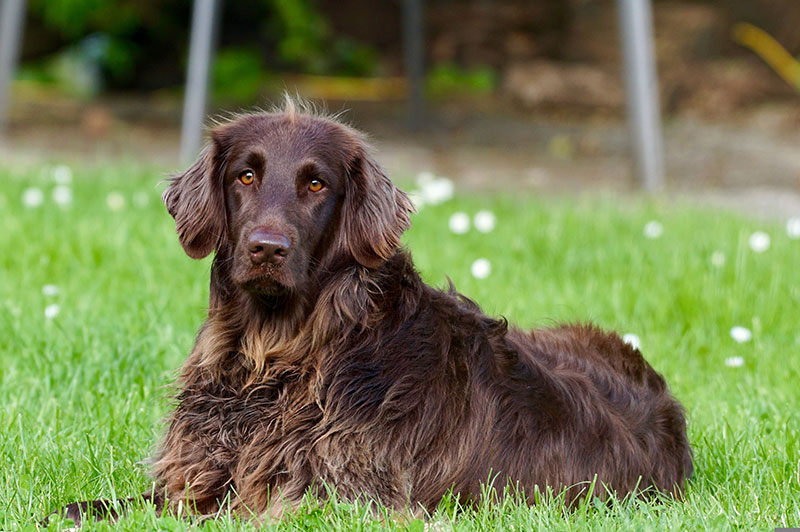
A dog can be eating normally, playing with their toys, and greeting you at the door, yet still walk with an occasional limp. That can be confusing. If they seem happy and do not cry when you touch them, it is easy to assume the limp is nothing serious.
Dogs, however, are good at hiding discomfort. Veterinary sources note that a dog can be in pain without crying or showing other obvious signs. Limping itself is a change in the way a dog uses a limb, and it can come from problems involving the joints, bones, muscles, tendons, ligaments, nerves, or feet.
Here are five possible reasons your dog may be limping even when they otherwise seem fine.
1. Early Arthritis May Be Hard to Notice
Arthritis does not always begin with a dog struggling to walk. Early signs can be much smaller. Your dog may limp for a few steps after getting up, slow down on walks, or favor one leg after exercise.
Canine osteoarthritis is common, although estimates vary depending on the dogs studied and how the condition is measured. One review reports that about 20% of dogs over one year old have been estimated to have osteoarthritis, while newer studies suggest the condition may be underdiagnosed.
Your dog may also adjust to the discomfort over time. They might still chase a ball or climb onto the couch because they have learned how to move around the problem.
2. A Small Muscle, Tendon, or Ligament Injury May Be Developing
Not every limp comes from a major accident. A hard run, awkward landing, or sudden change in activity can strain a muscle, tendon, or ligament.
These injuries may cause an intermittent limp rather than constant discomfort. Your dog might walk normally around the house but limp after a longer walk or an energetic play session.
Soft tissue injuries can also have no obvious mark on the outside. Veterinary guidance lists strains, sprains, and joint injuries among common causes of sudden lameness in dogs.
That is why a dog looking comfortable does not necessarily mean the affected leg is fine.
3. A Joint Problem May Come and Go
Some joint problems cause intermittent limping. One example is a luxating patella, where the kneecap moves out of its normal position and may return on its own. A dog can limp for a short time and then appear completely normal again.
Other joint conditions can also produce an on-and-off limp. Hip or elbow dysplasia, chronic joint injuries, and other orthopedic problems may become more noticeable after exercise or when the dog gets tired.
A guide from MedcoVet on My Dog Is Limping But Shows No Sign of Pain points out that chronic conditions, ligament injuries, mechanical problems, and neurological issues can all cause lameness without obvious signs such as crying or whining. The guide also stresses that the cause should be evaluated before deciding how to treat the limp.
That is an important point. Treating a limp without knowing why it is happening can mean missing the actual problem.
4. Something May Be Bothering the Paw
Sometimes the source of a limp is much simpler. A torn nail, small cut, thorn, splinter, or another object stuck between the toes can make a dog change the way they walk.
Paw problems are easy to overlook because the rest of the dog may seem completely normal. They may still eat, sleep, play, and act like themselves while quietly putting less weight on one foot.
If your dog allows it, check the pads, nails, and spaces between the toes. Look for swelling, redness, cuts, or anything that should not be there. Do not force the examination if your dog seems uncomfortable, since handling an injured area can make things worse.
5. Nerve or Spinal Problems Can Affect the Way a Dog Walks
Not every limp comes from a painful joint or injured leg. Problems involving the nerves or spine can change how a dog places and moves a limb.
You may notice unusual signs alongside the limp, such as dragging a paw, stumbling, weakness, or difficulty coordinating the back legs. Some neurological problems can be more subtle at first. The Merck Veterinary Manual explains that a dog’s abnormal gait can have a neurological component, particularly when there are changes in balance, awareness of limb position, or spinal reflexes.
These signs deserve veterinary attention because the cause may require a different type of examination and treatment than a simple muscle strain.
When Should You Have the Limp Checked?
A brief limp after unusual activity may improve with rest, but a recurring or persistent limp should not be brushed aside just because your dog seems happy. You should have a veterinary doctor assess your limping dog.
Veterinary guidance recommends assessment when lameness continues, worsens, or comes with other signs such as swelling, weakness, fever, lethargy, or difficulty bearing weight.
If you can, record a short video of your dog walking when the limp appears. Dogs do not always move the same way at a clinic, and a video can give the veterinarian useful information about what you have noticed at home.
Closing Thoughts
Your dog does not have to cry, whine, or refuse to play for something to be wrong. A limp is itself a change in movement, and there are many possible reasons behind it.
Pay attention to when it happens, which leg seems affected, and whether anything else has changed. Catching small changes early gives you a better chance of finding the cause and helping your dog stay active and comfortable.