For a brand, sponsoring a motorsports event is about more than putting a logo beside a racetrack. The real value comes from reaching people who are already excited, engaged, and willing to spend money on products connected to their interests.
That helps explain why sports sponsorship continues to attract major investment. Deloitte estimates that the global sports sponsorship market reached $97 billion in 2025. Motorsports can give brands a particularly interesting mix of live audiences, media exposure, technology, performance, and hands-on experiences.
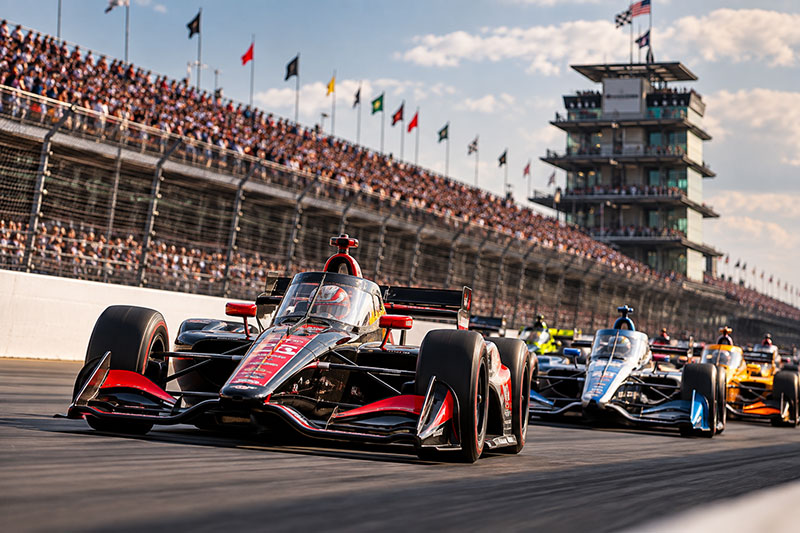
The XPEL Grand Prix is a useful example. The event combines top-level INDYCAR racing with several days of activities that give sponsors different ways to connect with fans.
So, what makes a motorsports event attractive to sponsors and brands?
1. It Brings a Highly Engaged Audience Together
A sponsor needs more than a large crowd. It needs an audience that actually cares about what is happening.
Motorsports fans often spend hours at an event watching races, walking through fan areas, looking at vehicles, and interacting with other enthusiasts. That gives brands more opportunities to be seen than a brief advertisement might provide.
The XPEL Grand Prix, for example, runs across four days and includes the NTT INDYCAR SERIES alongside junior development races such as INDY NXT, USF Pro 2000, and USF 2000. The event attracts drivers and fans from different parts of the racing world, creating a wider audience than a single race can provide.
For sponsors, that kind of concentrated audience can make an event more useful for building awareness and starting conversations with potential customers.
2. The Brand Can Fit Naturally Into the Event
The strongest sponsorships usually make sense to the people seeing them. A company selling automotive products, for example, already has an obvious connection to a racing audience. But the same idea can work for companies in technology, food, travel, financial services, clothing, or other industries if the partnership gives fans something useful or interesting.
The relationship between XPEL and the XPEL Grand Prix shows how this can work. XPEL’s business is connected to automotive protection and appearance, while the event puts automotive performance and racing in front of an audience that already has an interest in cars.
That connection gives the sponsor more than a logo placement. It creates a reason for the brand to be part of the event.
3. Live Events Give Brands Room to Create Experiences
One of the biggest advantages of motorsports sponsorship is the physical space around the race.
A brand can use displays, product demonstrations, hospitality areas, giveaways, interactive activities, or other forms of engagement to turn sponsorship into something fans can experience. This can be especially useful when a product needs to be seen, touched, explained, or demonstrated. A consumer may forget an advertisement seen online, but an interesting experience at a race can give the brand a stronger place in their memory.
In practice, that physical interaction can be one of the biggest differences between event sponsorship and traditional advertising.
4. The Exposure Continues Beyond the Track
A motorsports event does not have to depend entirely on people sitting in the grandstands. Race coverage, social media, photographs, interviews, news stories, video clips, and fan-generated content can extend the reach of a sponsorship beyond the event itself.
That is increasingly important as sports audiences consume content across multiple platforms. Nielsen’s 2025 sports research points to changing media habits and growing opportunities for brands to connect with fans through both traditional and digital channels.
The XPEL Grand Prix therefore gives sponsors several potential points of contact. Their presence can be part of the physical event while also appearing in content connected to the race weekend. This wider reach can make sponsorship more useful for a company trying to build recognition over time.
5. Multi-Day Events Create More Opportunities
A single afternoon gives a sponsor a limited amount of time. A multi-day motorsports weekend creates more chances to engage the same audience. The XPEL Grand Prix includes practice, qualifying, support races, fan activities, and the main INDYCAR race across several days. The 2027 event is scheduled for June 24-27, giving fans four days of on-track activity and other experiences.
That creates room for different sponsorship activities on different days. A brand might focus on product demonstrations during one period, hospitality during another, and fan engagement around the main race.
For sponsors, the extra time can also make it easier to build a campaign rather than relying on one moment of exposure.
6. The Event Can Strengthen a Brand’s Identity
Good sponsorship should reinforce what a company wants people to associate with its brand. Motorsports naturally carries ideas such as speed, engineering, competition, precision, innovation, and performance. A company that wants to be associated with some of those qualities may find a natural fit in racing.
That does not mean every brand should sponsor a motorsports event. The audience and values still need to make sense for the company. But when there is a genuine connection, the event can give the brand a setting in which those qualities are easier to demonstrate.
The Takeaway
The appeal of a motorsports event comes from the combination of audience, visibility, experience, and brand fit. Fans are physically present, the racing creates attention, and sponsors have opportunities to become part of the weekend rather than simply appearing beside it.
For companies evaluating sponsorship opportunities, the important question is therefore not simply how many people attend an event. It is what those people can experience, how closely they match the brand’s audience, and how many meaningful ways the partnership can connect the two.